
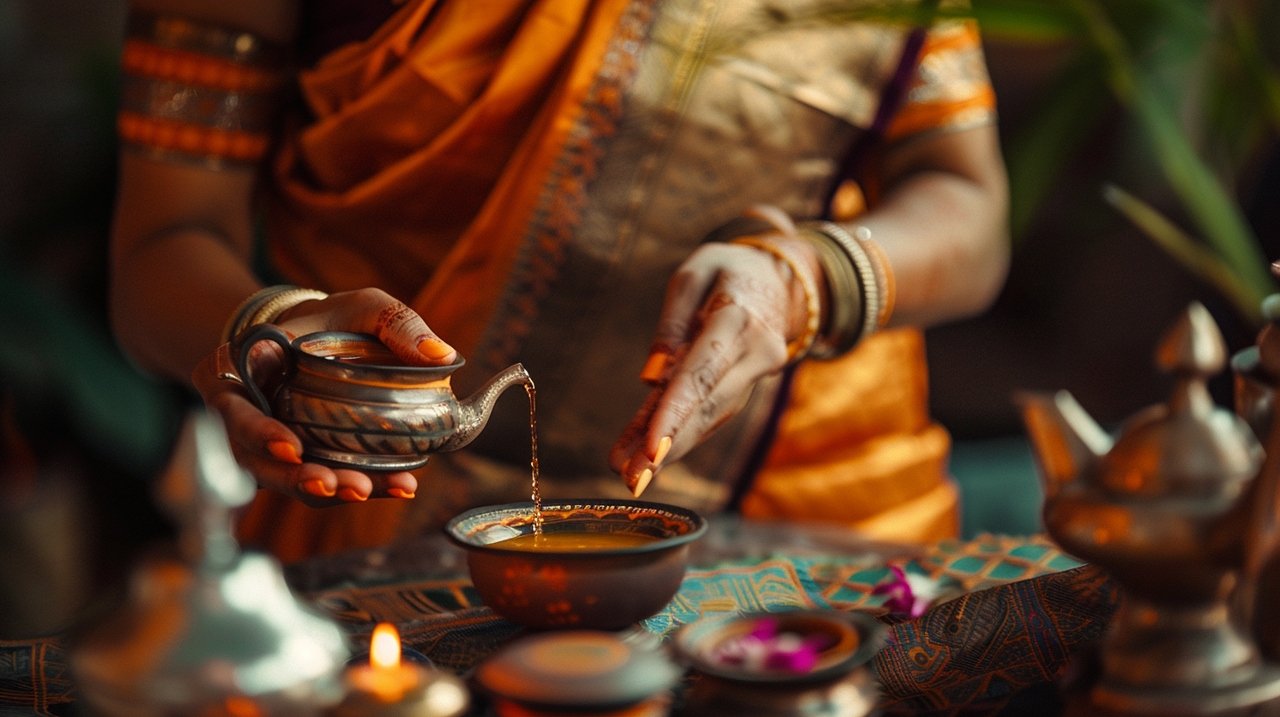
Tea is more than just a beverage in India; it’s an integral part of the culture, steeped in history and tradition. But have you ever wondered about the origins of this beloved drink? The story of tea’s discovery in India is shrouded in legend and mystique. One tale stands out amongst the rest—the captivating legend of Bodhidharma. This ancient narrative not only highlights how tea came to be but also reflects its significance in Indian society today. Join us on a journey to explore what is the Indian legend regarding the discovery of tea, as we unravel its fascinating beginnings and enduring legacy.
The Origin of Tea in India
The origin of tea in India is a tale woven with mystery and tradition. While many believe that tea originated in China, historical texts suggest that it found its way to the Indian subcontinent centuries ago.
Initially, tea was consumed for medicinal purposes. Indigenous tribes brewed leaves from wild plants, creating infusions believed to have healing properties. This early use laid the groundwork for what would evolve into India’s rich tea culture.
By the 19th century, British colonizers recognized India’s potential for commercial tea production. They established plantations across regions like Assam and Darjeeling, nurturing varieties that would eventually gain worldwide acclaim.
Today, Indian teas are celebrated globally, each region offering unique flavors and aromas. The journey of tea in India reflects not just agricultural prowess but also a deep-rooted connection to community and heritage, shaping social interactions around chai breaks daily.
The Legend of Bodhidharma and the Discovery of Tea
The legend of Bodhidharma is a fascinating tale intertwined with the discovery of tea. This revered monk traveled from India to China in the 6th century, seeking to spread Zen Buddhism. His journey took him deep into the mountains, where he faced immense challenges.
According to folklore, during his long meditation sessions, Bodhidharma experienced extreme fatigue and drowsiness. To combat this lethargy, he chewed on leaves from a nearby shrub. The result? A refreshing burst of energy that kept him alert and focused.
These leaves are believed to be those of the tea plant. As word spread about this miraculous beverage, it quickly gained popularity among monks and scholars alike. It became a symbol not just for energy but also for mindfulness and clarity in meditation practices over time.
Importance of Tea in Indian Culture and Tradition
Tea is much more than a beverage in India; it’s woven into the fabric of daily life. From bustling street vendors to elaborate family gatherings, tea plays a central role in hospitality and social interactions.
In Indian culture, offering tea symbolizes warmth and friendship. It’s customary to serve guests chai as a gesture of welcome. This simple act fosters connection and comfort among friends and strangers alike.
Festivals often feature special teas that reflect regional flavors. Each variety carries its own story, enhancing communal celebrations with unique tastes.
Moreover, tea rituals vary across communities—each adding layers to its cultural significance. Whether it’s masala chai or green tea from Darjeeling, every cup tells a tale of tradition passed through generations.
The importance of tea extends beyond just drinking; it nurtures relationships and deepens bonds within families and communities throughout India.
Types of Tea Found in India
India is a treasure trove of diverse tea varieties, each with its own unique flavor profile and cultural significance. Assam tea stands out for its bold, malty taste, making it a favorite for strong brews.
Darjeeling tea, often referred to as the “champagne of teas,” offers delicate floral notes and a light body. This exquisite variety is grown at high altitudes in the Himalayas.
Nilgiri tea adds an aromatic twist to the Indian palate. Its brisk character and fragrant aroma make it perfect for both hot cups and iced beverages.
Kashmiri chai showcases vibrant pink hues and creamy textures; it’s traditionally served during special occasions. The addition of spices elevates its rich flavor even further.
Each type represents not just cultivation techniques but also regional traditions that keep India’s vibrant tea culture alive.
The Health Benefits of Drinking Tea
Drinking tea offers a range of health benefits that can enhance your overall well-being. Rich in antioxidants, it helps combat free radicals in the body. This contributes to healthier skin and may even slow down aging.
Tea is also known for its calming properties. A warm cup can soothe the mind, reducing stress levels significantly. Many types contain L-theanine, an amino acid that promotes relaxation without drowsiness.
Heart health is another advantage associated with regular tea consumption. Studies suggest that both black and green teas can lower cholesterol levels and improve blood circulation.
Additionally, sipping tea can aid digestion. Herbal varieties like chamomile or peppermint are especially beneficial after meals, easing discomfort and bloating.
Drinking tea may boost metabolism as well as support weight management efforts when combined with a balanced diet and exercise routine. Each sip not only refreshes but empowers your journey toward better health.
How to Properly Make and Serve Indian Tea
To make the perfect cup of Indian tea, start with quality loose black tea leaves. Assam or Darjeeling are popular choices.
Boil water in a saucepan. The key is to let it reach a rolling boil before adding the leaves. Use about one teaspoon of tea per cup for robust flavor.
Add milk based on your preference. Full-fat milk enhances richness, while skimmed options create a lighter brew.
Once you add the milk, let it simmer for 3-5 minutes so flavors blend beautifully. Sweeten with sugar or jaggery according to taste.
Strain the mixture into cups using a fine sieve. Serve hot and enjoy this aromatic delight that warms both body and soul.
Don’t forget to offer some biscuits or savory snacks alongside—perfect companions for an authentic experience!
Conclusion: The Impact of the Indian Legend on the Global Love for Tea
The legend surrounding the discovery of tea in India has left a profound impact on how this beloved beverage is perceived and enjoyed around the world. The story of Bodhidharma, who is said to have discovered tea while meditating, adds an intriguing layer to its history. This narrative not only celebrates the origins of tea but also emphasizes its spiritual significance.
As tea culture continues to evolve globally, it remains deeply rooted in Indian tradition. From elaborate chai ceremonies to simple cups shared among friends, each sip carries a piece of history and connection. The diverse types of tea found across India reflect the country’s rich heritage and local customs.
Moreover, with numerous health benefits linked to drinking tea—such as improved digestion and enhanced mental clarity—the drink has carved out a special place both in households and cafes worldwide.
What began as a legend has transformed into an enduring love affair with tea that transcends borders. Whether you enjoy your cup steeped traditionally or explore modern variations like bubble tea or iced blends, the essence remains tied to that ancient tale from India which continues inspiring generations today.
