
Have you ever stumbled upon a word that feels mysterious yet strangely familiar? Perhaps you have seen it online, in a comment section, or as a username. The word looks simple enough, but its meaning remains just out of reach. This experience is becoming more common in our digital age. New words pop up constantly, and some of them carry surprising depth. One such word that has been generating curiosity is sodziu.
At first glance, sodziu might appear to be a random collection of letters. It is not a word you would find in a standard English dictionary. However, this lack of a simple definition is precisely what makes it so intriguing. When we dig a little deeper, we discover that sodziu opens a door to a rich world of culture, history, and human connection. It is a word that means different things in different contexts, and each meaning adds a layer to its fascinating story.
Primarily, sodziu has deep roots in Lithuanian culture, where it refers to the concept of a village or a rural homestead. For many people, especially those from Lithuania or with Eastern European heritage, sodziu evokes feelings of home, family, and tradition. It paints a picture of a simpler life, one lived close to the land and surrounded by a close-knit community.
Interestingly, the word has also taken on a new life in the digital world. Online, sodziu is used as a slang term, a brand name, and a unique identifier. This blend of ancient tradition and modern internet culture makes sodziu a truly unique subject to explore. Therefore, this article will journey through the many layers of sodziu. We will start with its traditional roots in the Lithuanian countryside. Then, we will follow its path into modern slang and digital spaces. By the end, you will see that sodziu is much more than just a word.
The Traditional Meaning of sodziu: A Window into Village Life
To truly understand sodziu, we must first travel to the countryside of Lithuania. In the Lithuanian language, the word is closely related to sodžius, which directly translates to “village” or “rural homestead.” However, for Lithuanians, the word carries an emotional weight that goes far beyond this simple translation. It is not just a dot on a map; it is a feeling.
Historically, the sodziu was the center of life for most Lithuanian people. These were small, self-sufficient settlements where families lived and worked together for generations. Life in a traditional sodziu revolved around the land. Families would cultivate grains and vegetables in the fields. They would raise livestock for meat, milk, and wool. The work was hard, beginning at sunrise and continuing until the evening. However, this shared labor created incredibly strong bonds between people.
Furthermore, the physical layout of a sodziu encouraged community. Houses were built close together, often clustered around a central area or a main road. This close proximity meant that neighbors were never far away. If a family needed help with a harvest, others would come. If someone baked bread, the whole village could smell it. Children grew up knowing everyone, and elders were respected for their wisdom and experience. Consequently, the sodziu was not just a collection of buildings; it was a living, breathing social organism.
The Heart of the Home: Architecture and Daily Life
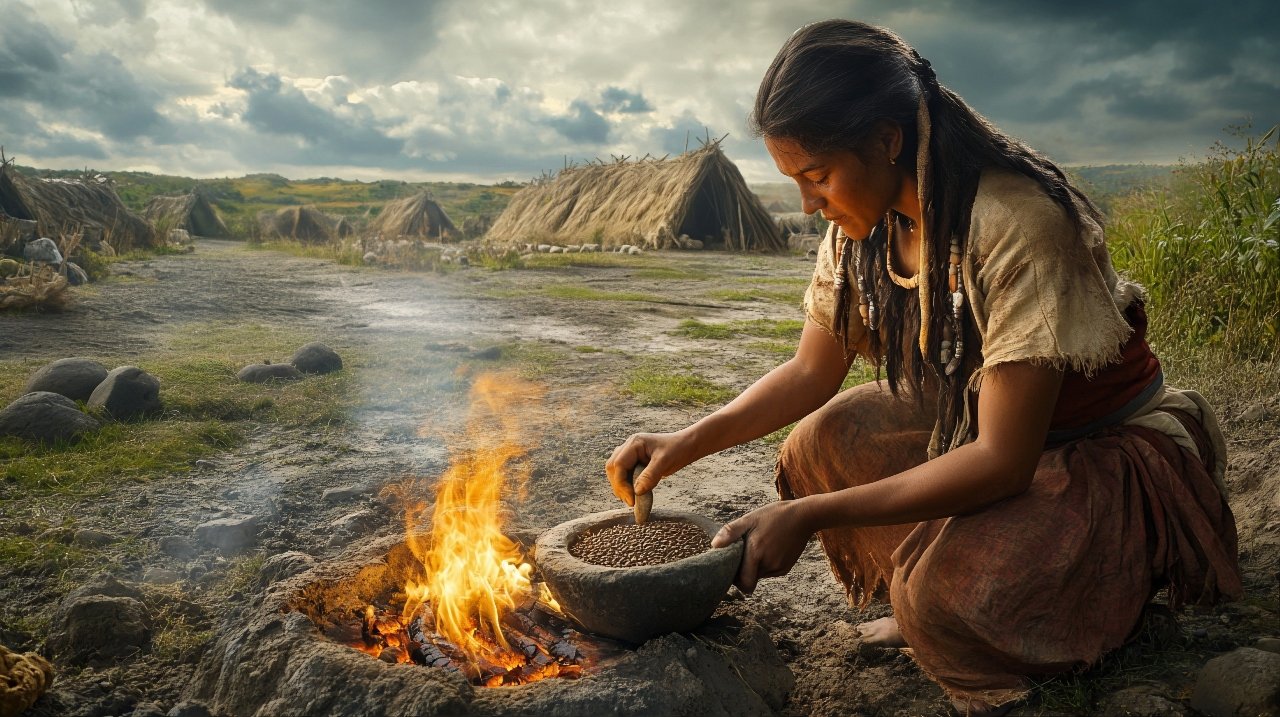
What did a traditional sodziu actually look like? The architecture was practical and beautiful, built to withstand the harsh Baltic winters while also reflecting a sense of pride and identity. Homes were typically constructed from wood, using logs that were carefully fitted together. Roofs were often thatched with straw or made of wooden shingles. These wooden houses, with their simple lines and earthy materials, seemed to grow naturally out of the landscape.
Inside the home, life was centered around the hearth, which provided warmth and was the place where meals were cooked. Interiors were functional, with handmade furniture, wooden tools, and woven textiles adding color and comfort. Life was dictated by the seasons. Spring meant planting. Summer meant tending the crops and celebrating the sun. Autumn was a busy time of harvest, when the community would come together to gather the food that would sustain them through the winter.
Daily routines were simple but fulfilling. Meals were made from fresh, homegrown ingredients. Hearty stews, dark rye bread, and foraged mushrooms and berries were staples of the diet. Nothing went to waste. This deep connection to the land and the food it provided is a core part of what sodziu represents. It is a reminder of a time when people lived in direct relationship with nature.
Festivals, Food, and Folklore: The Soul of sodziu
Life in a sodziu was not all hard work. In fact, the community came alive during festivals and celebrations, which were essential for maintaining social bonds and passing down cultural traditions. These events were deeply connected to the agricultural calendar and ancient pagan beliefs, which later blended with Christian traditions.
One of the most important celebrations was Joninės, or Midsummer’s Eve. On this night, villages would light huge bonfires, sing traditional songs, and dance until dawn. Young people would jump over the fires for good luck, and girls would weave flower crowns, hoping to dream of their future husbands. Harvest festivals were also a time of great gratitude. After the crops were safely gathered, the entire village would feast together.
Food played a starring role in all of these traditions. Special dishes were prepared only for certain holidays. During Christmas, a traditional meal of twelve dishes was served, representing the twelve months of the year. Alongside the food, folklore thrived. Grandparents would tell tales of woodland spirits, brave heroes, and magical creatures. These stories were not just entertainment; they were the way the community taught its values to the next generation.
The Evolving Word: sodziu in Modern Language and Slang
As we move from the past to the present, the meaning of sodziu begins to shift and adapt. In modern Lithuania, the word is still used, but its tone can change depending on who is speaking. For older generations, it remains a cherished term, filled with nostalgia for their childhood homes and the way life used to be.
Younger people, however, might use it with a touch of irony or humor. A young person living in the city might say, “I’m heading back to the sodziu this weekend,” as a way of joking about the culture shock of returning to a quiet village. It can imply a visit to grandparents, a weekend of chores, and plenty of unsolicited family advice. Even so, the affection for the place usually shines through the joke.
Interestingly, a new layer of meaning has emerged online. On social media platforms, some people use “sodziu” as slang meaning “in short” or “basically.” It is used to introduce a conclusion after a long story. For example, someone might post: “I tried to fix my computer for hours. Sodziu, I’m buying a new one.” This evolution shows how ancient words can find new purposes in the digital age.
The Power of a Name: sodziu in Branding and Digital Identity
Beyond its use as slang, sodziu has become a valuable asset in the worlds of branding and online identity. In an age where the internet is flooded with content, standing out is incredibly difficult. A unique and memorable name is one of the best ways to capture attention, and sodziu fits this need perfectly.
Because it is not a common English word, sodziu is likely to be available as a username on social media platforms like Instagram and TikTok. For a content creator or artist, having a consistent, unique handle across all platforms is a huge advantage. It makes them easy to find and easy to remember. A name like “SodziuArt” immediately sounds creative and distinctive.
From a business perspective, sodziu is also a powerful branding tool. Many successful modern brands started as made-up words with no inherent meaning. Their power came from the identity they built over time. sodziu has the same potential. It could be the name of a tech startup or a company selling artisanal goods. Its connection to heritage could be a major selling point for an authentic brand.
A Blank Canvas: The Creative Potential of sodziu
For writers, artists, and game designers, a word like sodziu is a gift. It acts as a blank canvas, inviting creativity and imagination. Because its meaning is not fixed in English, creators are free to invent their own definitions and build entire worlds around it.
Imagine a fantasy novel set in a land called Sodziu. Given its roots, one might picture a peaceful, agrarian society of farmers and craftspeople. Or perhaps the name could be given to a wise, old character who is the keeper of the village’s stories. In a video game, “The Lost Sodziu” could be the name of a hidden level that players must discover.
In the world of art, a painter might create a series called “Sodziu Dreams.” A musician could name an instrumental track “Sodziu,” letting the melody convey the emotion that the word suggests. This open-endedness is what makes sodziu so exciting for creative people. It is a seed from which entire stories and images can grow.
Why We Search: The Psychology of Curiosity
You might be wondering why people are so drawn to a word like sodziu in the first place. The answer lies in a fundamental part of human psychology: our innate curiosity. We are hardwired to seek patterns and solve puzzles. When we encounter something unfamiliar, our brains create a “knowledge gap,” and we feel a strong urge to fill it.
This is precisely what happens when someone sees the word sodziu online. It is a puzzle that demands an explanation. This curiosity drives people to search for it, to click on articles, and to engage with content that might provide an answer. For website owners, this is a significant opportunity. Because sodziu is a low-competition keyword, a well-written article has a great chance of ranking highly in search results.
Moreover, this search for meaning reflects a deeper human desire for connection. In a fast-paced digital world, people often feel disconnected from the past. A word like sodziu, with its deep cultural roots, offers a bridge to something more authentic. Searching for its meaning is, in a way, a search for history and tradition.
Embracing the Spirit of sodziu in Modern Life
How can we take the lessons of sodziu and apply them to our own lives? Even if we do not live in a Lithuanian village, we can embrace its core principles of community, simplicity, and connection.
First, we can focus on building community. Making an effort to connect with neighbors or joining local groups can counteract modern isolation. Organizing a shared meal, like a potluck, is a simple way to recreate the communal spirit of the sodziu.
Second, we can seek simplicity. Cooking a meal from scratch using fresh ingredients can be deeply satisfying. Spending time in nature, whether on a walk or tending a garden, brings peace. These small acts can bring purpose to our daily routines.
Finally, we can honor tradition. Learning about family history or cooking a ancestral recipe connects us to the past. Listening to the stories of older relatives gives us a stronger sense of identity. The spirit of sodziu is about living intentionally and valuing human connection above all else.
Conclusion
Our journey through the world of sodziu has revealed a word of surprising depth and complexity. We began in the quiet countryside of Lithuania, where sodziu represents a way of life built on community, hard work, and connection to the land. We explored the warmth of its wooden homes and the wisdom preserved in its folklore.
Then, we followed the word as it traveled through time. We saw how it is used with nostalgia in modern Lithuania and how it has evolved into internet slang. Finally, we discovered how sodziu has become a valuable tool for branding and a blank canvas for artists.
In the end, sodziu is a testament to the living nature of language. It proves that a word can be ancient and modern at the same time. Whether it evokes the smell of fresh rye bread or serves as a unique digital handle, sodziu carries power beyond its letters. It invites us to be curious and to appreciate the rich meaning that even the simplest words can hold.
