
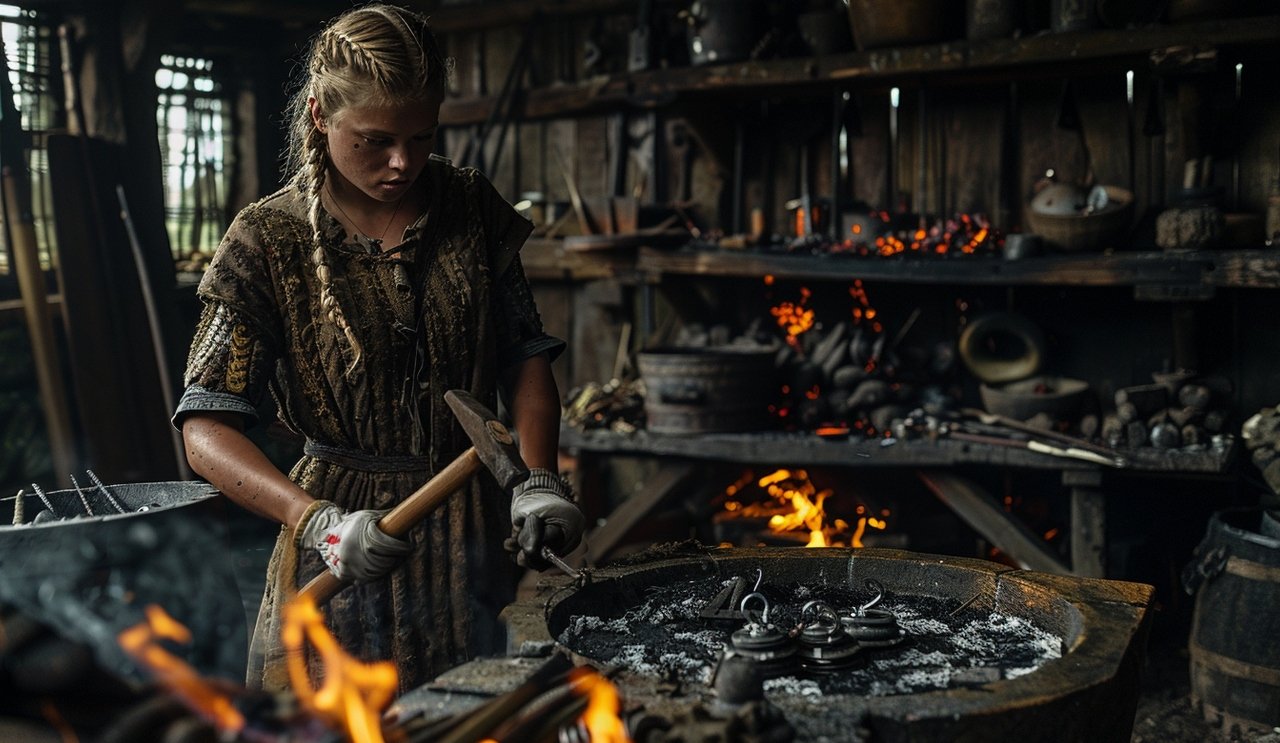
Nestled in the heart of Norway, a unique legacy has shaped the world of furniture and home goods. Jernsenger, or iron beds, hold a special place in both history and modern design. The story begins long before they became synonymous with comfort and style. It unfolds through innovation, craftsmanship, and determination.
Christiania Jernseng- og Jernvarefabrik is not just another manufacturer; it’s a testament to resilience in an ever-evolving industry. As we delve into its rich past, you’ll discover how this venerable company transformed simple iron into timeless masterpieces that continue to captivate homeowners today. Join us on this journey through time as we explore the origins of jernsenger and their lasting impact on our lives!
The origins of Jernsenger
The origins of jernsenger can be traced back to the early 19th century in Norway. At that time, iron was gaining popularity as a sturdy material for furniture. It offered durability unlike wood, which often succumbed to wear and tear.
Craftsmen began experimenting with wrought iron, creating beds that were both functional and aesthetically pleasing. These designs quickly captured the attention of local communities. The combination of strength and elegance made them desirable household items.
As demand grew, skilled artisans refined their techniques. They incorporated intricate designs and patterns into their creations, elevating jernsenger from mere utility to art forms that adorned homes across the region.
In essence, these innovative beginnings laid the groundwork for what would become an iconic symbol of Norwegian craftsmanship—setting the stage for future developments in bed design.
The founding of Christiania Jernseng- og Jernvarefabrik
The establishment of Christiania Jernseng- og Jernvarefabrik marked a transformative moment in the history of jernsenger. Founded in 1848, the company emerged during a period of industrial growth in Norway.
Visionaries with an eye for innovation recognized the need for high-quality metal beds and household goods. They sought to blend functionality with style, setting their products apart from traditional wooden alternatives.
With skilled craftsmen at the helm, production quickly ramped up. The factory became known not just for its efficiency but also for its commitment to quality. Each piece reflected meticulous attention to detail.
As word spread about these durable and stylish creations, demand surged. This was only the beginning of what would become a prominent player in the jernsenger market, shaping trends that continue today.
Growth and expansion of the company
As the demand for jernsenger grew, Christiania Jernseng- og Jernvarefabrik knew it had to adapt. The company expanded its production facilities in response to the increasing popularity of iron beds and other metal furnishings. This strategic move allowed them to boost productivity significantly.
With a broader manufacturing base, they were able to introduce new designs that appealed to various customer tastes. Their reputation soared as a result, leading to partnerships with local retailers and even international distributors.
Innovative marketing strategies helped establish their brand in different markets. Participation in trade shows showcased not only their products but also their commitment to quality craftsmanship.
The expansion wasn’t limited just geographically; it encompassed product ranges too. From simple jernsenger models to more elaborate styles, each iteration reflected evolving consumer preferences while staying true to the company’s roots.
Innovative products and designs
Christiania Jernseng- og Jernvarefabrik has always been at the forefront of innovation in the world of jernsenger. The company introduced groundbreaking designs that redefined comfort and style for generations.
Their innovative approach embraced both functionality and aesthetics, leading to unique bed frames made from durable materials. These creations not only enhanced sleep quality but also served as statement pieces in homes.
The integration of ergonomic principles into design changed how people viewed rest. Each product was crafted with attention to detail, ensuring durability without sacrificing elegance.
Throughout its history, Christiania’s commitment to innovation resulted in numerous patents. This proactive stance allowed them to meet evolving consumer needs while staying ahead in a competitive market.
Every new release reflected contemporary trends yet maintained classic charm, appealing to diverse tastes. Their ability to blend craftsmanship with modern technology set a benchmark for others in the industry.
Challenges faced by the company
Christiania Jernseng- og Jernvarefabrik faced numerous challenges throughout its history. Adapting to changing consumer preferences often proved difficult. As modern lifestyles shifted, so did the demand for traditional jernsenger.
Market competition became fierce in the late 20th century. New manufacturers emerged with innovative materials and designs, putting pressure on established companies like Christiania. The need to reinvent products while maintaining quality was a daunting task.
Economic fluctuations also played a role in the company’s struggles. During recessions, consumers tightened their budgets, leading to decreased sales of high-quality jernsenger.
Additionally, sustainability concerns began to rise among customers. The brand had to navigate this landscape carefully, balancing tradition with eco-friendly practices without losing its identity.
Each challenge shaped the company’s trajectory and pushed it towards growth and adaptation in an ever-evolving market environment.
Legacy and impact on the industry
The legacy of Jernsenger is woven into the very fabric of Scandinavian design. Its approach to craftsmanship set a standard for quality that many manufacturers aspire to achieve today.
By prioritizing durability and functionality, Jernsenger influenced how beds are viewed—not just as furniture but as essential elements of comfort and well-being. The company’s commitment to innovation has inspired countless designs that echo its pioneering spirit.
Moreover, Christiania Jernseng- og Jernvarefabrik’s influence extended beyond borders. It became a model for sustainable practices long before they were mainstream. Manufacturers worldwide look to its methods as benchmarks in environmentally responsible production.
This enduring impact on the industry continues to resonate with consumers and makers alike, fostering a culture where tradition meets modernity seamlessly and effectively.
Conclusion
Today, Jernsenger continues to thrive as a testament to its rich history and innovation. The legacy of Christiania Jernseng- og Jernvarefabrik lives on through the high-quality products that remain popular among consumers. With a keen focus on blending traditional craftsmanship with modern design, the company has successfully adapted to changing market demands.
The commitment to excellence in materials and workmanship ensures that each piece is not only functional but also aesthetically pleasing. As sustainability becomes increasingly important, Jernsenger is stepping up by incorporating eco-friendly practices into their production processes.
Their ability to evolve while maintaining the core values established over a century ago sets them apart in today’s competitive landscape. Enthusiasts of jernsenger can look forward to more innovative solutions that cater to both comfort and style for many years ahead.
