
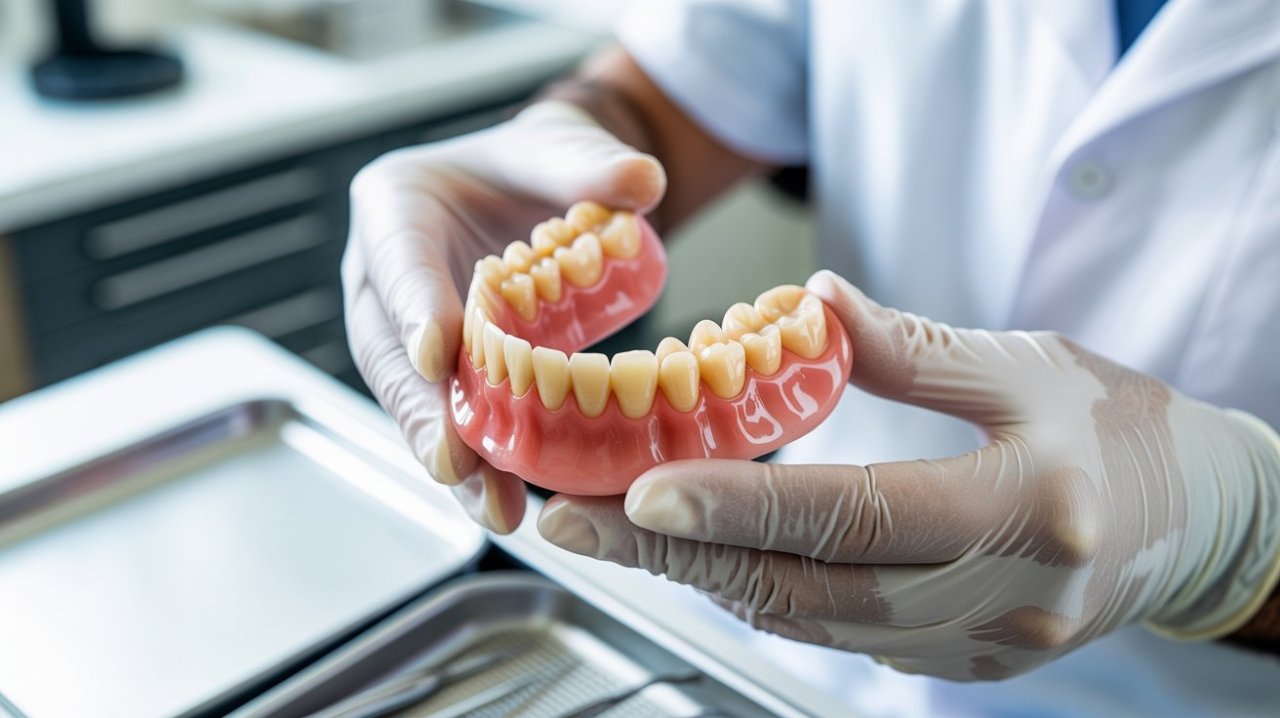
Dentures can be a life-changing solution for those who have lost their natural teeth, providing the ability to eat, speak, and smile with confidence. However, over time, these dental appliances may start to feel loose or uncomfortable. This is where denture relining comes into play—a simple yet effective procedure that can restore the snug fit of your dentures and enhance your overall comfort.
Whether you’re new to dentures or have been wearing them for years, it’s essential to understand how relining works and when it’s necessary. Let’s dive deeper into this vital aspect of denture care so you can enjoy every meal and conversation without concerns about slipping or discomfort.
Signs that Your Dentures Need Relining
Loose dentures can lead to discomfort and frustration. If you find that your dentures shift while eating or speaking, it may be time for a reline.
Another sign is sore spots in your mouth. If you’re experiencing irritation, this could indicate that the fit has changed over time. A proper seal is essential for comfort; any gaps can cause pressure points and pain.
You might also notice increased difficulty with chewing. Struggling to bite into food or feeling self-conscious about how you eat are telltale signs of ill-fitting dentures.
Changes in your facial structure due to bone loss can affect denture stability as well. Regularly assessing how they feel will help maintain both function and comfort throughout their lifespan.
The Process of Denture Reline
The process of denture reline begins with a consultation. Your dentist will assess the fit and comfort of your dentures during this appointment. They’ll ask about any issues you’ve been experiencing, such as soreness or movement.
Next, the dentist prepares your existing dentures for relining. This may involve cleaning them thoroughly to ensure a perfect bond with the new material. The old lining is removed carefully to make way for a fresh layer.
Once prepared, they apply a soft or hard reline material inside the denture base. After pressing it against your gums for an accurate impression, they’ll let it set in place for optimal results.
Adjustments are made if necessary. You might need follow-up visits to achieve that perfect fit as you get used to your newly relined dentures.
Benefits of Denture Reline
Denture reline offers numerous advantages that can significantly enhance your dental experience. One of the primary benefits is improved fit. As your jawbone and gums change over time, relining ensures that your dentures adapt to these shifts, providing a snugger fit.
Comfort is another key factor. Loose dentures can cause irritation and discomfort, making daily activities like eating and speaking challenging. A proper reline alleviates these issues by creating a stable surface against your gums.
A well-fitted denture can also boost confidence. You’ll feel more secure in social situations without worrying about slippage or movement while talking or laughing.
Additionally, regular relining may extend the lifespan of your dentures. By maintaining their shape and fit, you reduce wear and tear on the prosthesis itself, ultimately saving money in the long run.
How Often Should You Get Your Dentures Relined?
The frequency of denture relines depends on several factors. Typically, it’s recommended every 1 to 2 years. However, this can vary based on individual circumstances.
Changes in your mouth structure can prompt the need for a reline sooner. Weight fluctuations or aging may affect how well dentures fit. If you notice discomfort or looseness, it’s time to consult your dentist.
Regular dental check-ups are essential for monitoring your denture health. Your dentist can recommend when a reline is necessary based on their observations and any changes you report.
Listening to your body is key. If you’re experiencing irritation or soreness, don’t wait too long—address these issues promptly with professional help for optimal comfort and functionality in your daily life.
Alternatives to Denture Reline
If you’re looking for alternatives to denture reline, several options are available. One approach is using dental adhesives. These products can help secure loose dentures and provide temporary comfort.
Another alternative is considering implant-supported dentures. This option involves placing titanium implants in the jawbone to anchor your dentures securely. It offers greater stability compared to traditional methods.
You might also explore soft liners, which are flexible materials applied inside the denture base. They add cushioning and improve fit without needing a full reline.
If you’re experiencing significant discomfort or instability with your current dentures, custom-made replacements could be worth discussing with your dentist. Newer models may offer improved technology that enhances fit and comfort over time.
Each of these alternatives has its pros and cons, so consulting with a dental professional will ensure you make an informed choice tailored to your needs.
Conclusion
Denture reline is an essential procedure for anyone wearing dentures. It addresses discomfort caused by loose-fitting dental prosthetics, ensuring that you can eat, speak, and smile with confidence. By recognizing the signs your dentures need relining and understanding the process involved, you empower yourself to take control of your oral health.
The benefits are clear: improved comfort, enhanced functionality, and potentially longer-lasting dentures. Regular maintenance through relining can save you from more extensive adjustments or replacements down the line.
If you’re unsure about how often to get a denture reline or if alternatives might suit your needs better, consulting with your dentist is always wise. They will tailor recommendations specifically for you based on wear patterns and changes in your mouth over time.
Embracing this simple yet effective solution not only enhances your quality of life but also helps maintain optimal oral hygiene. Your comfort matters—don’t let loose dentures hold you back!
