
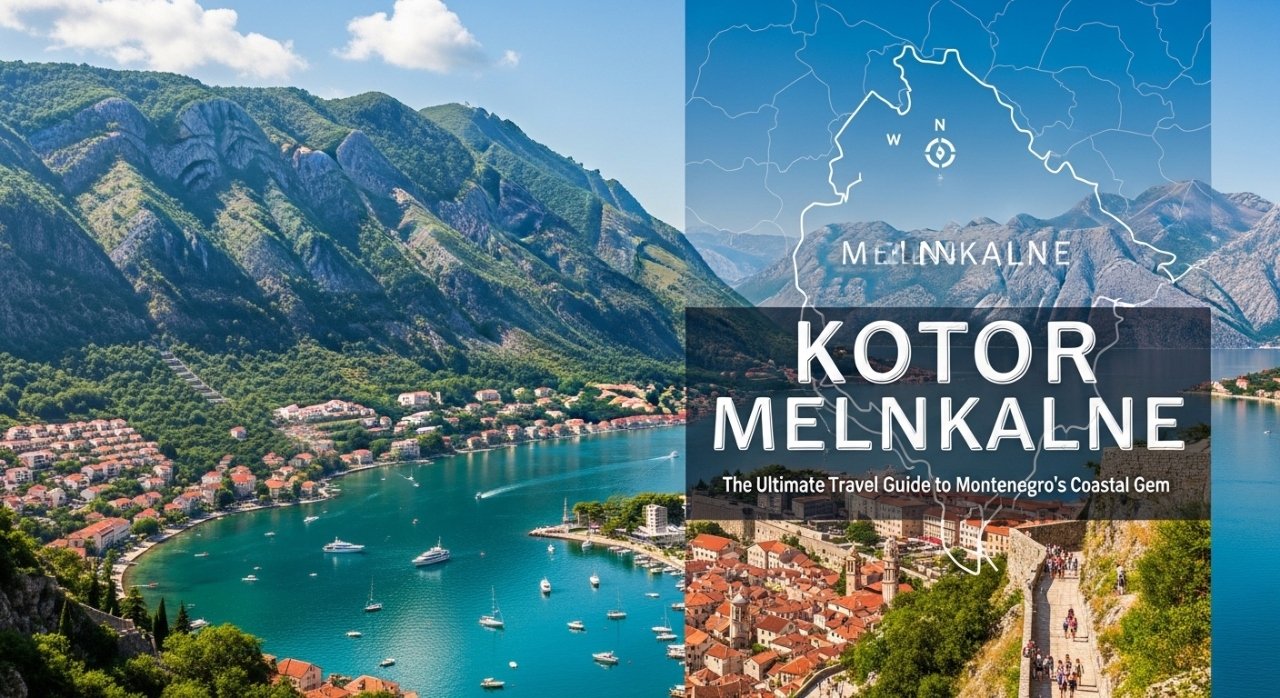
Have you ever heard the name kotora melnkalne and wondered what it means? You are not alone. Many travelers come across this lyrical phrase and feel curious about the place it describes. The name sounds almost poetic, like something from an old story or a forgotten map. But here is the wonderful truth: kotora melnkalne is real, and it is waiting for you to discover it .
Kotora melnkalne refers to the stunning coastal town of Kotor, Montenegro. The name combines “Kotora,” a gentle variation of Kotor, with “melnkalne,” a word that evokes the dark, dramatic mountains surrounding the bay . Together, these words paint a picture of stone and sea, of ancient walls climbing steep hillsides, of water so still it mirrors the sky above. This place is special, and once you learn about it, you will likely want to visit.
In this guide, we will explore everything that makes kotora melnkalne so unforgettable. We will walk through its history together, discover its medieval streets, learn about the famous bay, and find out when to visit. Whether you are planning a trip or simply dreaming of faraway places, this article will help you understand why kotora melnkalne captures hearts so easily.
What Exactly Is kotora melnkalne?
Let us start with the basics. Kotora melnkalne is essentially Kotor, a beautiful town located in Montenegro along the Adriatic Sea . The name is a regional or poetic way of referring to this coastal gem. Some travelers use it when searching for authentic experiences, while others stumble upon it and feel drawn to its mysterious sound .
Kotor sits at the end of a stunning bay often called Europe’s southernmost fjord. Tall mountains wrap around the town like protective arms, creating a natural amphitheater that takes your breath away . The setting feels almost theatrical. You have deep blue water on one side and limestone cliffs on the other. It is no wonder people have lived here for thousands of years.
The name kotora melnkalne carries meaning beyond simple geography. “Melnkalne” hints at the dark mountains that frame the bay. These peaks watch over the town like ancient guardians . When you say the name aloud, you are really describing the entire scene: the town, the bay, the cliffs, and the centuries of history all wrapped into one beautiful word picture.
Where Can You Find kotora melnkalne?
Kotora melnkalne sits along Montenegro’s Adriatic coastline in Southeastern Europe . The town lies at the innermost point of the Bay of Kotor, a winding inlet that cuts deep into the continent . Getting there is part of the adventure. Coastal roads curve around the bay, and each turn reveals a more spectacular view than the last .
Several airports serve the region. Tivat Airport is closest, located only about 15 minutes away . Podgorica Airport, Montenegro’s capital, sits about an hour and a half from Kotor. For those combining trips, Dubrovnik Airport in Croatia lies roughly 90 minutes away, and the drive along the coast is absolutely gorgeous .
Buses connect Kotor to nearby cities like Budva, Herceg Novi, and Perast regularly. Taxis and rental cars offer more flexibility if you prefer exploring at your own pace . Many visitors find that having a car helps them discover hidden coves and mountain viewpoints that tours often miss.
The Deep History of kotora melnkalne
People have lived in this area for over two thousand years. The town’s story is written in stone, layer upon layer, like pages in a very old book . Romans, Byzantines, Venetians, Ottomans, and Austro-Hungarians all left their mark here . Each culture added something new while preserving what came before.
During medieval times, Kotor became a major Adriatic trading port. Merchants arrived by sea, bringing goods and ideas from distant lands . The town grew wealthy, and its citizens built palaces, churches, and fortifications that still stand today. Walking through the old town, you can almost hear echoes of those busy market days .
In 1979, UNESCO recognized Kotor’s extraordinary value. The entire natural and cultural region gained World Heritage status . This designation protects not just individual buildings but the whole historic landscape. The town’s medieval structures, its defensive walls, and its relationship with the surrounding bay all contribute to its global significance .
Sadly, a major earthquake struck Montenegro in 1979, damaging many of Kotor’s historic buildings. The town spent years recovering, and UNESCO helped guide restoration efforts . This careful work preserved the authentic character visitors enjoy today.
Exploring the Old Town
The heart of kotora melnkalne beats within its old town walls. Stari Grad, as locals call it, is a maze of narrow stone streets, hidden squares, and ancient buildings . No cars are allowed inside, which keeps things peaceful and pedestrian-friendly . You can wander for hours and still discover new corners.
The Cathedral of Saint Tryphon stands as the old town’s centerpiece. Built in 1166, this Romanesque beauty honors Kotor’s patron saint . Inside, you will find stunning frescoes and religious art spanning centuries. The twin bell towers rise above surrounding buildings, guiding visitors through the labyrinth of streets below.
Clock Tower Square offers the perfect spot for a coffee break. Locals and visitors gather here to chat, rest, and watch the world go by . The square dates back to the 17th century, and its limestone paving stones have been polished smooth by countless footsteps over the years.
Throughout the old town, you will discover small churches tucked between homes. Saint Luke’s Church, Saint Mary’s Collegiate, and Saint Michael’s Church each hold their own stories . Many blend architectural styles from different periods, reflecting the town’s diverse cultural influences.
The Famous Bay of Kotor
The Bay of Kotor is often described as a fjord, though technically it is a submerged river canyon called a ria . Honestly, the difference does not matter once you see it. The water stretches calm and blue, reflecting the mountains that rise steeply from its shores .
Several smaller bays connect through narrow channels to form this intricate waterway. The entire bay stretches about 28 kilometers long, with over 100 kilometers of coastline . Tiny villages dot the shoreline, each with its own character and history.
Verige Strait marks the bay’s narrowest point. At just 340 meters wide, this passage connects the inner and outer bays . Boats slip through here carefully, and passengers always reach for their cameras. The cliffs crowd close on both sides, making you feel small against nature’s scale.
Boat trips offer the best way to experience the bay fully. You can rent kayaks, join organized tours, or charter small boats for private exploration . From the water, the town reveals new angles and perspectives. You notice details missed from land: hidden coves, seaside chapels, and the way fortifications climb the steep slopes behind the town.
The San Giovanni Fortress Hike
If you enjoy rewarding challenges, the climb to San Giovanni Fortress belongs at the top of your list . Over 1,300 stone steps wind up the mountainside behind the old town. The path follows ancient fortification walls built to protect the city from invaders.
The hike takes about an hour, depending on your pace and how often you stop for photos . Early morning offers cooler temperatures and softer light. Late afternoon brings golden hour magic and fewer crowds. Midday can be hot, so bring water if you attempt it then.
From the top, the view defies description. The entire bay curves below you, ringed by mountains that fade into the distance . Red rooftops cluster within the old town walls, and boats leave tiny wakes across the water. Many visitors say this single view becomes their strongest memory of kotora melnkalne .
Along the climb, you will pass remnants of old churches and defensive positions. The walls themselves date from different periods, with Illyrian, Roman, and Venetian sections visible . Each stone tells part of the town’s long story.
Food and Drink in kotora melnkalne
Montenegrin cuisine blends coastal Mediterranean flavors with heartier Balkan traditions . The results are simple, fresh, and deeply satisfying. Meals here feel unhurried, meant to be enjoyed with good company.
Seafood naturally plays a starring role. Grilled Adriatic fish, black risotto made with cuttlefish ink, and octopus salads appear on most menus . Chefs prepare dishes simply, letting fresh ingredients speak for themselves. A squeeze of lemon, local olive oil, and maybe some herbs complete the picture.
From the mountains come smoked ham called njeguški pršut, rich cheeses, and hearty stews . These foods reflect the country’s inland traditions and pair beautifully with coastal fare. Many restaurants offer mixed plates so you can sample both worlds.
Local wines deserve attention too. Vranac, a bold red grape, produces deeply colored wines with dark fruit flavors . White varieties like Krstač offer lighter, fresher alternatives. Wine production here dates back centuries, and small family vineyards still operate throughout the region.
For an authentic experience, seek out konobas. These traditional taverns serve home-style cooking in warm, casual settings . Many occupy old stone buildings with vaulted ceilings and cozy corners. The atmosphere feels genuinely local rather than touristy.
When Should You Visit kotora melnkalne?
Each season paints kotora melnkalne in different colors. Your perfect timing depends on what you seek .
Spring arrives gently from April through June. Wildflowers bloom along hillsides, temperatures stay pleasant, and crowds remain moderate . Hiking conditions are ideal during these months. The town feels alive but not overwhelmed.
Summer brings heat, festivals, and energy. July and August see the most visitors, and cruise ships frequently fill the bay . Streets buzz with activity late into evening. If you enjoy vibrant atmospheres and don’t mind crowds, summer delivers.
Autumn offers golden light and quieter streets. September through October temperatures stay comfortable, and the sea remains warm enough for swimming . Harvest season means fresh grapes, olives, and seasonal produce at markets.
Winter transforms kotora melnkalne into something more intimate. From November through March, the town contracts into itself . Cafes feel cozy, locals outnumber visitors, and the dark mountains take on a brooding character. Storms sometimes roll across the bay, adding drama to the views.
The Cats of kotora melnkalne
You will notice them immediately: cats everywhere. These friendly felines lounge on sunny steps, peer from windowsills, and greet visitors passing by . They have become beloved symbols of the town, featured on souvenirs and in photographs.
Local legend says cats arrived centuries ago on trading ships. They helped control rodents in grain stores and soon became valued members of the community. Today, residents care for them collectively, leaving food and water throughout the old town.
Cat lovers will find plenty of feline friends to photograph. Just move slowly and let them approach you. Most are accustomed to attention and may even pose for your camera .
Festivals and Traditions
Despite its size, kotora melnkalne celebrates with enthusiasm throughout the year .
KotorArt Festival brings musicians and performers each summer. Classical concerts, theater productions, and art exhibitions fill venues across town . International artists perform alongside local talents, creating a rich cultural mix.
Boka Night transforms the bay into a magical scene. Decorated boats parade across the water, their lights reflecting off the dark surface . Fireworks sometimes accompany the spectacle, and the whole town turns out to watch.
Winter Carnival brings masks and celebration during colder months. Locals embrace the festive spirit with parades, costumes, and community gatherings . This tradition connects modern residents to centuries-old customs.
Saint Tryphon’s Day in February honors the town’s patron saint. Religious processions wind through streets, followed by music and festivities . For visitors interested in local culture, this offers authentic insight.
Day Trips from kotora melnkalne
While the town itself captivates, nearby destinations reward exploration too .
Perast sits just a short drive or boat ride away. This charming village features baroque architecture and a peaceful waterfront . From here, boats cross to Our Lady of the Rocks, a man-made island with a beautiful church and museum . Local legend says sailors created the island by dropping rocks here after each safe voyage.
Lovćen National Park rises above the bay, offering mountain views and fresh air. The Njegoš Mausoleum sits at the summit, honoring Montenegro’s greatest poet and philosopher . The drive up includes 25 hairpin turns and incredible panoramas at every switchback.
Budva lies about 30 minutes down the coast. This lively resort town offers sandy beaches, nightlife, and a historic old town of its own . The contrast with quieter Kotor makes for an interesting day trip.
Responsible Travel in kotora melnkalne
Popularity brings challenges to beautiful places. Kotora melnkalne faces pressure from growing visitor numbers, particularly cruise ship passengers .
On busy summer days, thousands of day-trippers flood the old town. Narrow streets become congested, and infrastructure strains under the load . Local residents sometimes struggle to maintain normal life amid the crowds. Environmental concerns also arise from increased waste and emissions .
You can help by traveling thoughtfully. Consider visiting during shoulder seasons when crowds thin out . Stay overnight rather than arriving by cruise ship, spreading your economic impact to local hotels and restaurants . Walk whenever possible instead of driving. Support family-owned businesses rather than international chains .
Respect historic sites by following posted guidelines. Keep voices moderate in residential areas. Carry out what you carry in. These small choices collectively protect what makes kotora melnkalne special .
Where to Stay
Accommodation options range from historic stone houses to modern hotels with bay views .
Inside the old town, you will find boutique guesthouses and apartments carved from ancient buildings . Staying here puts everything within walking distance. You can step outside and immediately feel immersed in history. Just expect some stairs and narrow passages.
Outside the walls, hotels offer more space and amenities. Many feature swimming pools, restaurants, and terraces overlooking the bay . These properties tend to be quieter at night while remaining close to the old town.
Private apartments provide another excellent option. Renting through local platforms lets you live like a resident, shopping at markets and preparing meals with regional ingredients .
Practical Information
Currency in Montenegro is the euro, even though the country is not part of the European Union . Credit cards work at most hotels and restaurants, but carry cash for smaller purchases and market stalls.
English is widely spoken in tourist areas. Learning a few Montenegrin phrases, though, will earn warm smiles. Try “dobar dan” for good day, “hvala” for thank you, and “dovidenja” for goodbye .
The town is very safe by global standards. Petty crime occasionally occurs, so use normal precautions with valuables. Solo travelers, including women, generally feel comfortable exploring alone .
Comfortable walking shoes make a huge difference. Cobblestone streets, while beautiful, challenge unsupportive footwear . Bring layers too, as mountain weather can shift quickly.
A Sample Itinerary
If you have three or four days, here is how you might spend them .
Day one: Arrive and settle in. Spend afternoon wandering the old town without a map. Let yourself get pleasantly lost among the stone lanes. Find a café in a quiet square and simply watch. Climb partway up the walls for sunset views.
Day two: Tackle the full San Giovanni Fortress hike in the morning. Reward yourself with a late lunch by the water. Afternoon could include boat rental or a organized trip across the bay. Evening brings dinner at a traditional konoba.
Day three: Take a day trip. Perast and Our Lady of the Rocks make an easy half-day excursion. Continue to Lovćen National Park if you have energy, or return to town for museum visits. Sunset drinks at a waterfront bar close the day perfectly.
Day four: Visit churches missed earlier, shop for local products like olive oil or wine, and enjoy one final meal before departure.
Conclusion
Kotora melnkalne is more than just a place on a map. It is an experience that stays with you long after you leave . The name itself captures something essential about this corner of the world: the meeting of sea and mountain, of history and present, of stone and light.
Whether you come for the medieval streets, the dramatic bay, the delicious food, or simply to slow down and breathe, this town welcomes you . It asks only that you move thoughtfully, observe carefully, and appreciate deeply. In return, it offers memories that will surface unexpectedly for years to come: the sound of church bells across water, the warmth of sun on ancient stones, the way mountains darken at dusk while the bay holds light a moment longer .
Kotora melnkalne waits quietly between mountains and sea. Maybe it is time you discovered it for yourself.
